No-code chatbot builders 2026: Botpress, Landbot, Voiceflow
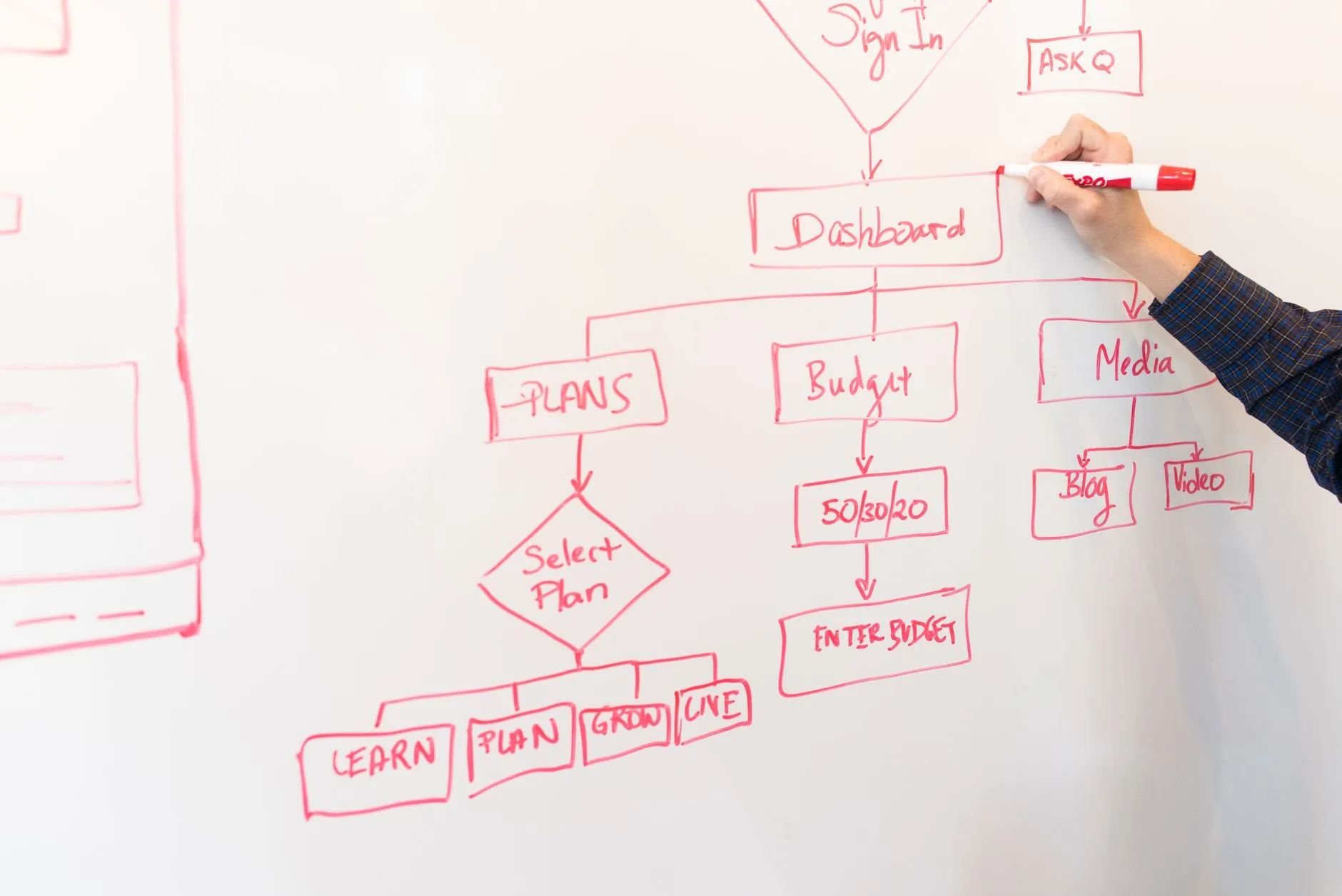
In 2026 no-code bot builders split by the complexity they can carry: Landbot for website lead forms, Botpress for flows with API access and self-hosting, Voiceflow for teams designing conversations together. Pricing is counted in different units, which is the hard part of comparing them.
Below: the selection criteria, a side-by-side table and honest pros and cons for each.
How do you choose the right one in four steps?
- 1
Describe your hardest flow
If the bot must reach your own data, simple builders drop out immediately.
- 2
Convert your volume
Some count messages, some conversations. Translate your traffic into the vendor's unit.
- 3
Check the channels
Website, WhatsApp, messengers — coverage differs, and it often decides the choice.
- 4
Design the handover
This isn't optional but a required part of the flow. Check how each platform implements it.
Which criteria matter?
Look at four things: the complexity of flows the platform can carry, the billing unit (messages or conversations), channel coverage, and whether it can connect to your data. Fifth: pricing transparency — a platform without public pricing makes budgeting harder.
How do the three compare?
| Platform | Strength | Free tier | Best for | Score (0–10) |
|---|---|---|---|---|
| Botpress | AI nodes and APIs | Yes, then usage-based | Complex flows | 8.4 |
| Landbot | Simple start | 100 chats/mo, then €32/mo | Website lead forms | 8.2 |
| Voiceflow | Collaborative design | Yes; paid tiers not published | Teams designing together | 7.9 |
The score is our editorial 0–10 rating, not a vendor ranking. It weighs capability, pricing transparency and how quickly you can reach a working result.
Pricing transparency is a scored criterion here, and checking it in August 2026 produced a fact rather than an impression: only one of the three publishes a number you can act on. Landbot lists a free tier of 100 chats a month and Starter at €32/mo billed annually, €40 monthly Landbot pricing page, August 2026 . Voiceflow publishes no paid tiers at all — its pricing page offers “usage-based billing” and a request form — and Botpress blocks automated access to its own pricing page. If you cannot see a price without booking a call, treat that as part of the cost.
Who is each one for?
Botpress — when the bot must do more than answer: reach a database, create records, work with your data. Downside: a higher entry barrier and the need to watch message volume.
Landbot — the fastest route to a working lead form on a site or in WhatsApp. Downside: complex flows hit the ceiling, and price rises with conversation count.
Voiceflow — strong when several people work on a flow. Downside: since 2026 there’s no public pricing, you have to ask, and for a simple form it’s overkill.
So which should you pick?
Start from the hardest flow you need and check whether the platform carries it. A simple lead form — Landbot. Access to your own data — Botpress. A team designing the conversation together — Voiceflow. And in every case, build in a handover to a human after the second failed attempt.
Frequently asked questions
-
01 Which builder should a beginner choose?
For website lead capture, Landbot — the simplest start. For more complex flows with API access, Botpress. Voiceflow makes sense when a team rather than one person works on the conversation.
-
02 Can you really build a bot with no code?
Simple branching logic, yes, on all three. But the moment you need live stock from a database or an order created, either an integration appears or someone has to configure it. «No code» means no programming, not no work.
-
03 What do these platforms actually cost?
Botpress bills messages beyond a free allowance, Landbot counts conversations, and Voiceflow stopped publishing public pricing in 2026. Convert your monthly volume into each vendor's unit — that's the only way to compare.
-
04 Do you need a separate builder if you already have website chat?
Often no. Chat widgets include flow tools, and for routine questions that's enough. A separate builder earns its place when the bot must work across channels or reach into your own data.
-
05 What should happen when the bot doesn't understand?
Hand over to a human after the second failed attempt. That rule matters more than any platform feature: a bot stuck on an unrecognised question loses the customer more reliably than having no bot at all.
Read next

chatbots
ManyChat alternatives in 2026: Chatfuel, SendPulse, Tidio, Respond.io
ManyChat's free plan is now 25 contacts. Four alternatives compared on the thing that actually bills you — contacts, conversations or a flat fee.

chatbots
Bot-to-human handover: the checklist that saves tickets
When a bot should go quiet and call a person: six handover signals, what context to pass along, and how not to lose the customer at the seam.
chatbots
Best live chat widgets 2026: Tidio, Crisp, Tawk.to
Live chat widgets compared on the same criteria: free tiers, per-agent pricing and AI limits — the real pros and cons of Tidio, Crisp and Tawk.to.
chatbots
What to look for when choosing a chatbot platform
A guide to choosing a chatbot platform: criteria, hidden costs and common mistakes so conversation automation really saves time.