Web analytics 2026: Plausible, Matomo, Google Analytics 4
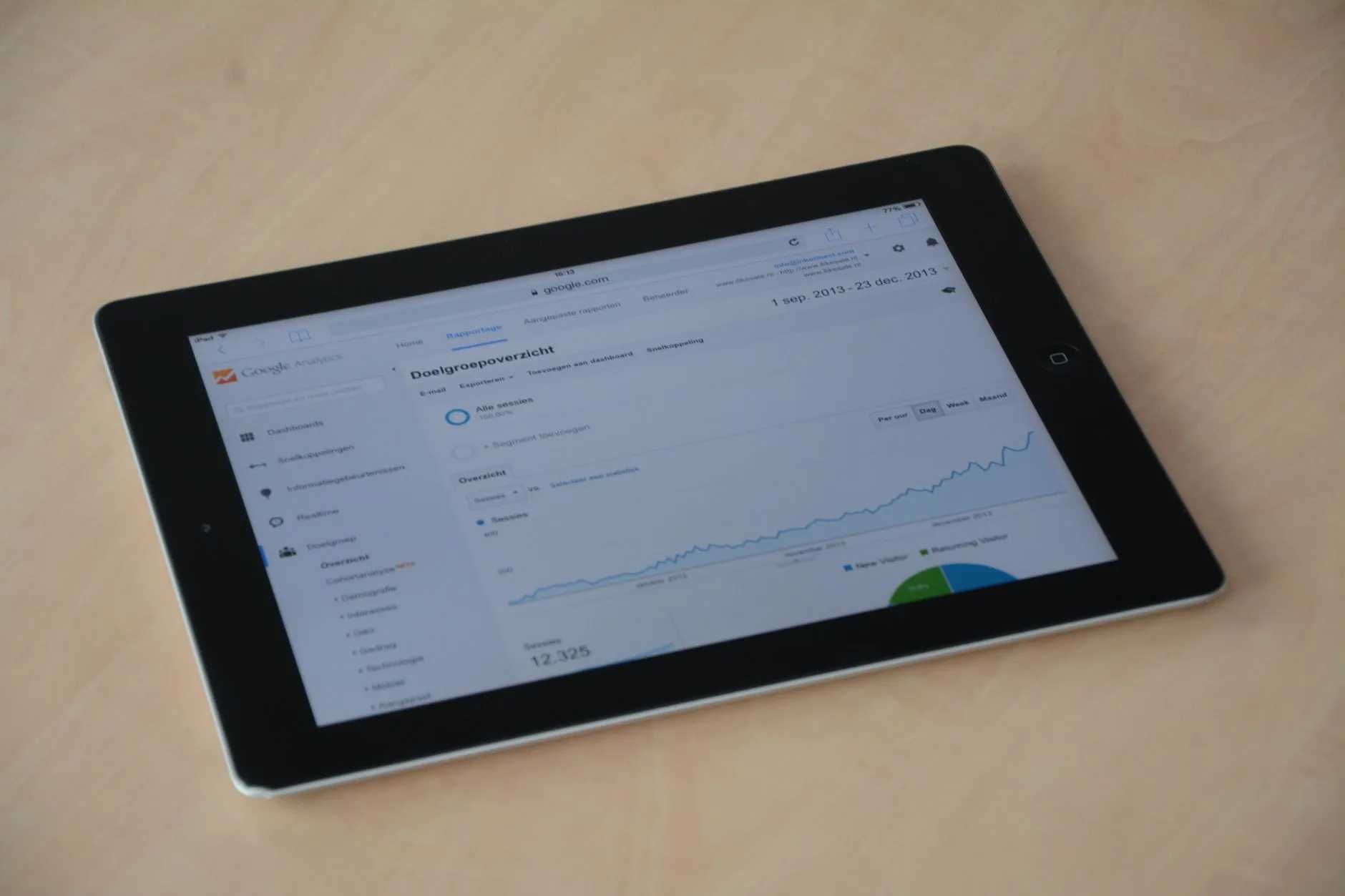
The three analytics systems in 2026 solve different problems: Plausible gives basic numbers with no cookies and almost no speed cost, Matomo gives GA4 depth with the option to keep data yourself, and Google Analytics 4 is free and most tightly integrated with Google advertising but requires a consent banner and carries the heaviest script.
Below: the selection criteria, a side-by-side table and honest pros and cons for each.
How do you choose the right one in four steps?
- 1
Define the decisions you make
If you look at traffic and sources, a simple dashboard suffices. Funnels and e-commerce are another class.
- 2
Assess the role of Google ads
Active campaigns make GA4's integration hard to argue against.
- 3
Price the speed cost
The script-weight gap between GA4 and Plausible is tens of times.
- 4
Settle the cookie banner question
No cookies, no banner. For a content site that's a visible experience gain.
Which criteria matter?
Look at four things: report depth, effect on site speed, whether a cookie banner is required, and total cost including traffic. Fifth: where the data physically lives, if that matters to you.
How do the three compare?
| System | Price | Cookie banner | Speed impact | Score (0–10) |
|---|---|---|---|---|
| Plausible | from ≈$9/mo | Not needed | Minimal (<1 KB) | 8.5 |
| Matomo | Self-host free / cloud from ≈€29 | Not needed | Medium | 8.3 |
| Google Analytics 4 | Free | Required | Highest | 8.0 |
The score is our editorial 0–10 rating, not a vendor ranking. It weighs total cost, speed impact and how usable the reports actually are.
Prices are the vendors’ own published rates, checked in August 2026: Plausible Starter at $9/mo for up to 10,000 monthly pageviews, with a 30-day trial and no permanent free tier Plausible pricing page, August 2026 . Note the trial — Plausible is often described as having a free plan, and it does not.
Who is each one for?
Plausible — when you need answers to simple questions: how many people, where from, what they read. Downside: no funnels or deep drill-down, and price rises with traffic.
Matomo — when you need GA4 depth but the data should stay with you. Downside: the cloud is paid and self-hosting means maintenance time.
Google Analytics 4 — when you live inside Google’s advertising ecosystem. Downside: the heaviest script, a mandatory consent banner and an interface where a simple question becomes a report-building exercise.
So which should you pick?
Start from which decisions you make with the numbers. Simple questions and speed matters — Plausible. Depth without handing over data — Matomo. Active Google advertising — GA4. For a content site with no advertising, dropping GA4 usually delivers both speed and the disappearance of the consent banner at once.
Frequently asked questions
-
01 Which analytics suits a small site?
Plausible if you want basic numbers with no consent banner and no speed cost. Matomo if you need GA4 depth but the data should stay with you. GA4 if you actively run Google ads.
-
02 Does GA4 really slow a site down?
Noticeably more than the alternatives: its script weighs tens of kilobytes against under one in Plausible. For a site where Core Web Vitals affect rankings, that's a real rather than theoretical factor.
-
03 Do you need a cookie banner?
With GA4, yes, and that isn't a matter of taste. Plausible and Matomo in their default configuration work without cookies, so no consent banner is required — often the main reason people switch.
-
04 Is Matomo really free?
The self-hosted edition, yes — there are no licence fees. But add the server cost and a few hours a month of maintenance. The cloud version is paid and starts around €29 a month.
-
05 Can you run two systems at once?
You can, and during a transition it's useful: different systems count visits differently, and a month in parallel shows you the size of the discrepancy. Running two permanently is a double speed cost for no benefit.
Read next

marketing-automation
Automation audit: finding what quietly broke
A quarterly automation review: how to build a workflow register, catch silent failures, remove duplicates and price your real run volume.

marketing-automation
Social media schedulers 2026: Buffer, Later, Hootsuite
Scheduling tools compared on the same criteria: per-channel pricing, free tiers and analytics depth — the real pros and cons of each.

marketing-automation
Workflow automation 2026: Zapier, Make, n8n
Automation platforms compared on the same criteria: the billing unit, cost at volume and the option to self-host.

marketing-automation
Common mistakes in marketing automation
The most common mistakes when adopting marketing automation and how to avoid them, so scenarios help sales instead of annoying subscribers.